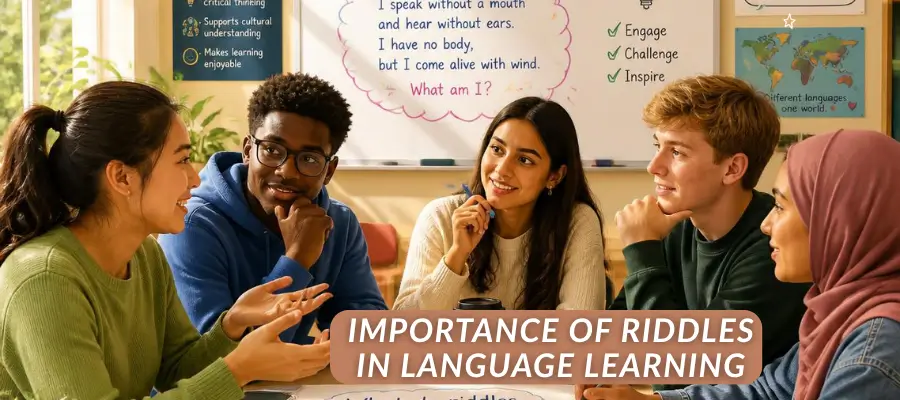
Riddles are short puzzles that make the brain work in a fun way. They may be questions, statements, or small stories that hide an answer. Many people enjoy riddles because they challenge thinking and spark curiosity. Riddles improve memory and problem-solving skills while keeping the mind active. Children love fun riddles, and adults enjoy tricky riddles that test logic.
Riddles have become part of game books and learning activities. In this article we will explore the different types of riddles and how they make learning and thinking more enjoyable. By understanding these types, you can try solving riddles daily and share them with friends.
Riddles can be fun and challenging, and they often make people laugh or surprise them with the answer. They are not only entertaining but also educational for children and adults. Understanding riddles helps in learning language logic and creative problem-solving. Riddles often encourage collaboration as friends and family try to solve them together.
Types of riddles
Riddles are not all the same. They can be divided into many types based on how they are written or the thinking they require. Some riddles are short and easy while others are long and tricky. There are riddles for kids and adults and puzzles for the mind. Understanding the types of riddles helps readers choose the right kind for fun or learning.
Riddles may be funny, logical, rhyming, or visual, among others. They improve creativity, memory, and reasoning. Knowing the different types of riddles helps you create your own and enjoy challenges with friends. Each type has a unique way to engage the brain and encourage thinking in a playful way.
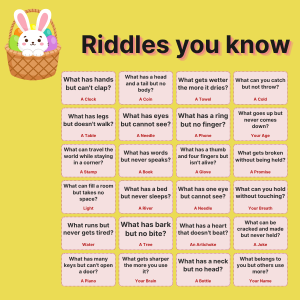
Get Free Printable Worksheets Here
1. Rhyming riddles
Rhyming riddles use words that sound alike to hide the answer. They are easy to remember and fun to solve. Many rhyming riddles are used for children because they make learning enjoyable. Rhyming helps the reader focus on the words carefully and notice small clues. For example, a riddle might say, “I fly without wings and cry without eyes,” where the rhyme helps find the answer.
These riddles often appear in books, poems, and classrooms. Rhyming riddles improve reading and language skills. They are a popular way to introduce children to puzzles and brain games. Solving them makes people feel clever and entertained.
2. Logical riddles
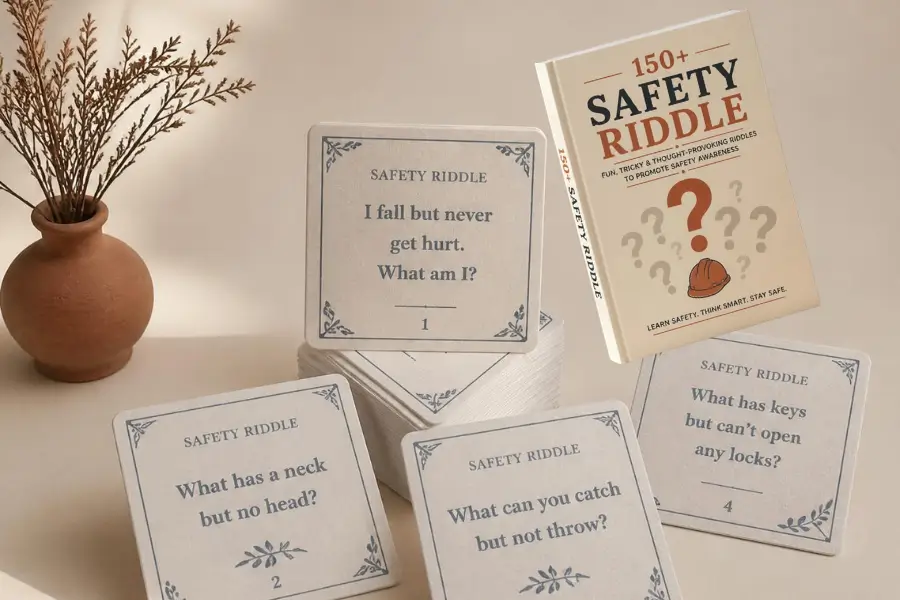
Logical riddles require reasoning and careful thinking. They are solved by using logic, not guessing. Many adults enjoy logical riddles because they are challenging and make the brain active. An example is “What has keys but cannot open locks?” Logical riddles improve critical thinking, attention to detail and problem-solving.
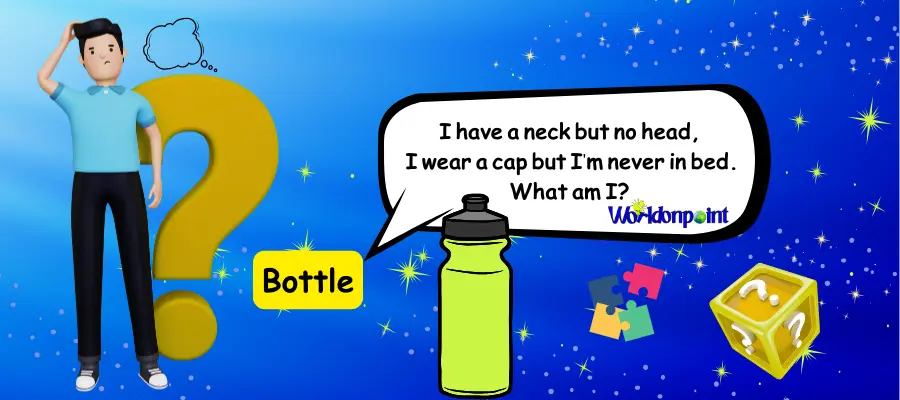
They often appear in tests, interviews, and brain games. Solving logical riddles helps in real-life situations by improving decision-making. Logical riddles encourage structured thinking and patience. They are used in educational activities for children to strengthen reasoning skills.
3. Funny riddles
Funny riddles are made to make people laugh while solving them. They often use jokes, puns, or silly answers to surprise the reader. An example is “Why did the cookie go to the doctor?” Funny riddles are perfect for children and family gatherings. They are light-hearted and improve mood while keeping the brain active.
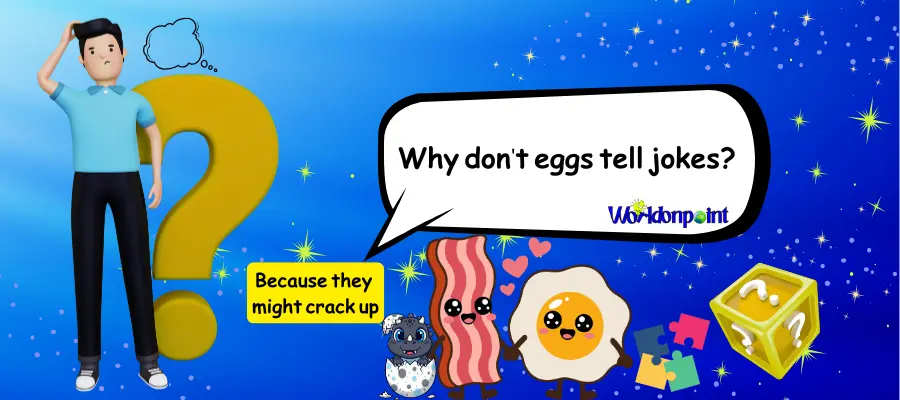
Many kids’ books and online games include funny riddles for entertainment. Solving funny riddles helps in creative thinking and language skills. People enjoy sharing funny riddles with friends because they are entertaining. These riddles are easy to remember and repeat in social settings.
4. Math riddles
Math riddles involve numbers and calculations. They help improve counting, addition, subtraction, and logical reasoning. An example is “I am a number. Multiply me by 2 and add 10; I become 30. What am I?” Math riddles are often used in classrooms and brain training apps. They are great for children to learn numbers in a fun way.
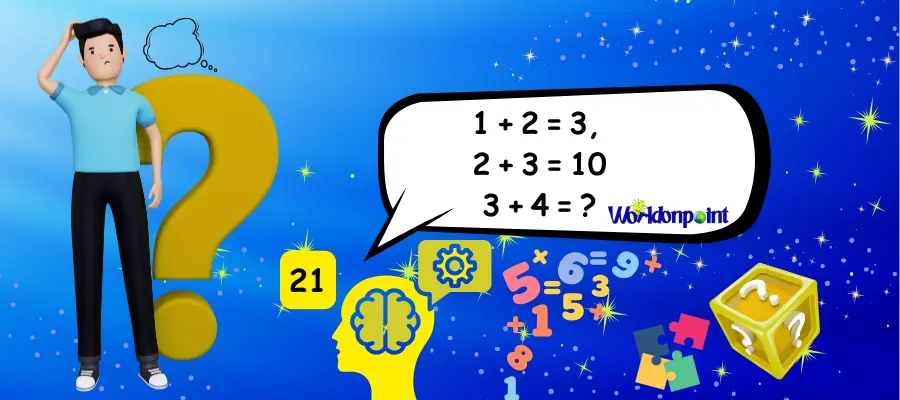
Adults also enjoy math riddles to challenge their minds. Math riddles encourage problem-solving and analytical thinking. They improve focus and concentration while making learning enjoyable. Regular practice with math riddles strengthens numerical skills and confidence.
5. Picture riddles
Picture riddles use images or visual clues to hide the answer. Readers must look at the picture carefully to guess the solution. For example, a drawing of a cloud with drops could mean “rain.” Picture riddles are excellent for visual learners and children. They appear in books, magazines, and online games. Picture riddles to improve observation skills and creativity.
They make learning playful and engaging. These riddles encourage thinking outside the box and imagination. Solving picture riddles is fun for families or classrooms. They are a great way to combine learning with entertainment.
6. Mystery riddles
Mystery riddles tell a story with hidden clues. Readers must think carefully to find the answer. For example, “I have cities but no houses, forests but no trees. What am I?” Mystery riddles improve critical thinking and analytical skills. They are often used in puzzle books, escape rooms, and brain games.
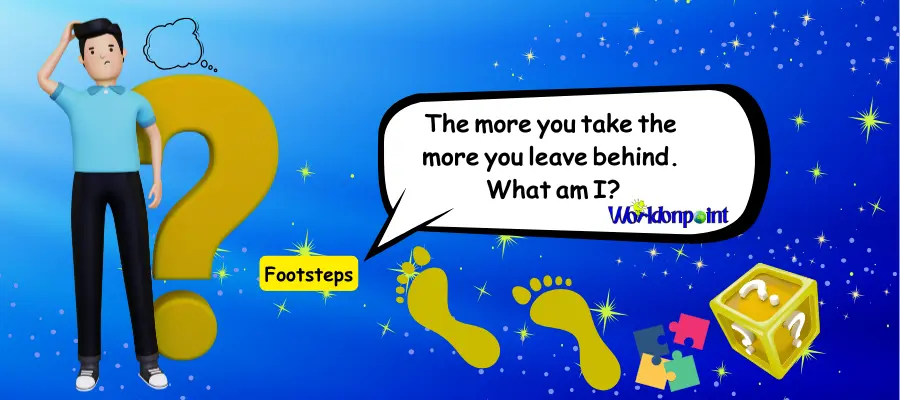
Solving them encourages patience and attention to detail. Mystery riddles are fun for children and adults because they challenge the mind. They improve imagination and reasoning. Regularly solving mystery riddles strengthens problem-solving abilities.
7. What am I, riddles?
What am I? Riddles describe something without naming it. The reader guesses what is being described. An example is “I have teeth but do not bite.” What am I? “These riddles are very popular among children and adults. They help improve vocabulary observation and reasoning skills.
What am I? Riddles appear in books, classrooms, and online quizzes. They are fun and easy to share with friends. Solving these riddles encourages thinking in a creative way. They are used to teach children descriptive language skills.
8. Lateral thinking riddles
Lateral thinking riddles require creative or unusual thinking. The answers are not obvious and often surprise the reader. For example, “A man leaves home and turns left three times. He returns home. How is this possible?” Lateral thinking riddles improve imagination, problem-solving, and flexibility in thinking.
They are used in puzzle books, brain games, and learning exercises. Solving these riddles encourages looking at problems from new angles. They make learning fun and challenging. Adults and children enjoy lateral thinking riddles. They strengthen critical thinking and creativity.
Benefits of solving riddles
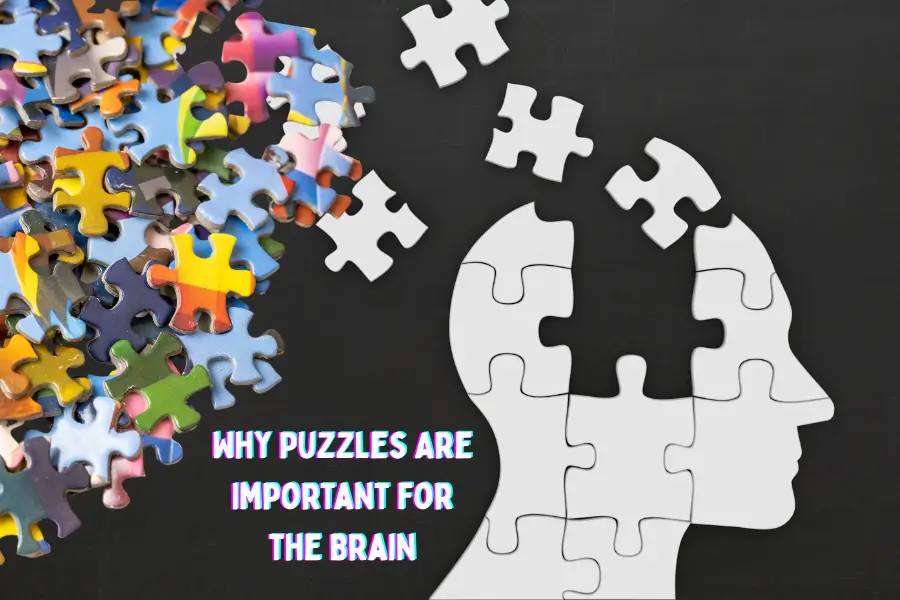
Solving riddles improves memory attention and concentration. It makes the brain active and improves critical thinking and problem-solving. Riddles reduce stress and provide fun while learning. They encourage creativity and imagination in children and adults. Riddles improve language vocabulary and reading comprehension.
Sharing riddles strengthens social connections and communication skills. Regular practice with riddles makes people more confident in thinking. They are used in classroom games and learning activities to make education enjoyable.
Why does solving riddles make you genuinely smarter?
Riddles are not just entertainment. Cognitive scientists have found consistent evidence that regular engagement with puzzles and brainteasers produces measurable improvements in mental performance.
- Improves working memory. Holding multiple clues in mind simultaneously while reasoning about their relationships directly exercises your working memory capacity — the same resource responsible for reading comprehension and mathematical reasoning.
- Builds cognitive flexibility. Regularly encountering problems where your first interpretation is wrong trains your brain to hold multiple mental frames simultaneously — a skill critical for creativity and problem-solving in professional settings.
- Reduces cognitive bias. Logic riddles in particular force you to follow evidence rather than intuition. Over time, this practice builds the habit of checking assumptions before committing to conclusions.
- Strengthens pattern recognition. Mathematical and visual riddles sharpen your ability to identify hidden structures in data — a foundational skill for fields from programming to financial analysis.
- Delays cognitive decline. Multiple longitudinal studies suggest that regular mental exercise, including puzzle-solving, is associated with delayed onset of age-related cognitive decline and reduced dementia risk.
How to get better at solving riddles?
Like any cognitive skill, riddle-solving ability improves with deliberate practice. Here are the most effective strategies backed by research in cognitive psychology.
1. Question every assumption
Most riddles work by hijacking your default assumptions. Write down what you are assuming about the riddle’s scenario—then systematically challenge each assumption. Ask: “What if the person is not human? What if the action is not literal? What if the setting is not where I imagined?”
2. Read with radical literalism
Wordplay riddles in particular reward those who read with almost absurd precision. “What has four legs in the morning, two at noon, and three in the evening?” — the answer (a human crawling, walking, then using a cane) requires understanding “morning, noon, and evening” as metaphors for life stages, not times of day. Every word is a potential misdirection.
3. Work backwards from possible answers
For logic riddles, instead of reasoning forward from the clues, try imagining a possible answer and testing whether it is consistent with every given statement. This reverse approach often cuts through complexity far faster than forward deduction.
4. Embrace the struggle
The moment of cognitive discomfort when you feel stuck is precisely where learning happens. Neuroscience research on desirable difficulty consistently shows that information or skills acquired through effort are retained far more deeply than those acquired easily. Do not rush to the answer.
5. Build a diverse puzzle diet
Specializing in one riddle type creates blind spots. If you are naturally drawn to mathematical puzzles, deliberately practice lateral thinking puzzles where your analytical instinct works against you. Cross-training cognitive styles builds a more adaptable intelligence.
How to solve riddles easily?
To solve riddles read them carefully and slowly. Look for hidden clues in the words. Think about simple answers first. Break the riddle into parts to understand it better. Practice solving riddles daily to improve thinking. Discuss riddles with friends to get new ideas. Avoid overthinking and use creative thinking. Patience is key to solving tricky riddles. Regular practice makes solving riddles faster and more enjoyable.
Tips for creating your own riddles
- To make your own riddles, use short and clear sentences.
- Think of fun or tricky ideas for the riddle.
- Use rhyme, stories, or visual clues to make it interesting.
- Test your riddles on friends or family to see if they are challenging.
- Keep the answers simple for beginners.
- Add humor or twists to make riddles memorable.
- Writing riddles improves language creativity and imagination.
- Practice often to create better and more clever riddles.
Different types of riddles for kids
Riddles for kids are simple, fun, and easy to understand. They help children improve thinking, vocabulary, and problem-solving skills. Kids’ riddles often use rhymes, pictures, or funny ideas. They make learning playful and entertaining. For example, rhyming riddles like “I fly without wings and cry without eyes. What am I?” helps children think carefully and notice clues.
Funny riddles are popular too, like “Why did the cookie go to the doctor?” These riddles make children laugh and enjoy learning. What am I? Riddles are also common for kids, where the riddle describes something without naming it, like “I have teeth but do not bite.” What am I?” Picture riddles use drawings or visual hints to make guessing fun. Kids’ riddles are usually short and easy to remember.
They improve focus, creativity, and language skills while keeping children engaged. Teachers and parents often use riddles as games to develop critical thinking in a fun way.
Different types of riddles for adults
Riddles for adults are usually more challenging and require logic, reasoning, and creative thinking. They may involve lateral thinking, numbers, or mystery puzzles. Adults enjoy riddles that make them think in unusual ways. Logical riddles are common, like “What has keys but cannot open locks?” These riddles improve attention to detail and problem-solving.
Mystery riddles tell short stories and require observation to find the answer, like “I have cities but no houses, forests but no trees. What am I” Lateral thinking riddles are tricky and need creative solutions, such as “A man leaves home and turns left three times. He returns home. How is this possible?” Adults also enjoy math riddles that involve numbers and calculations to test analytical skills.
Word riddles challenge vocabulary and reasoning. Adult riddles are often used in quizzes, games, and team-building exercises because they encourage thinking under pressure and improve focus. Solving adult riddles strengthens the brain, improves memory, and enhances critical thinking skills.
Popular riddles for kids and adults
Here are some fun riddles you can try. “What has keys but cannot open locks?” “I speak without a mouth and hear without ears. What am I?” “What comes once in a minute but twice in a moment?” These riddles improve thinking, reasoning, and observation skills.
Short riddles are great for children. Tricky riddles are fun for adults. Funny riddles make people laugh. Sharing riddles helps friends and family bond. Trying new riddles daily keeps the brain active and sharp.
Frequently Asked Questions
What is the easiest type of riddle?
The easiest riddles are rhyming or funny riddles. They are simple and fun and use clues that are easy to remember.
How do riddles improve the brain?
Riddles improve memory, critical thinking, focus, and problem-solving skills. They make the brain active and sharp.
Can anyone create a riddle?
Yes, anyone can create a riddle. Use simple sentences, fun ideas, and hidden clues to make it interesting.
Why are riddles popular with children?
Riddles are fun, interactive, and educational. Children enjoy solving puzzles and learning new words through riddles.
How often should I solve riddles to get better?
Solving riddles daily or a few times a week improves thinking and problem-solving skills over time.
Final Thoughts
Riddles are a fun and creative way to keep the brain active. Learning the different types of riddles makes thinking stronger and more playful. They improve memory, reasoning, and language skills. Everyone enjoys riddles, whether children or adults. Solving and creating riddles is fun, educational, and social.
Try new riddles every day and share them with friends to make learning enjoyable. Riddles make thinking a fun adventure that challenges the mind and sparks curiosity.