A pun is a joke that plays with word meaning or word sound. One word can explain two ideas at the same time. This twist creates a small moment of laughter. When learning how to make pun beginners should focus on simple words. Easy words help readers understand the joke faster. The goal is clarity not confusion. A good pun feels natural and smooth. It should not feel forced or complex. Simple understanding builds strong humor skills.
Puns often appear in jokes captions and daily conversations. They feel light and safe for all ages. Many writers use puns to make content more engaging. Understanding the base meaning helps you create better wordplay. This skill supports humor writing and improves language sense.
Why puns are funny?
Puns are funny because the brain expects one meaning but receives another. This sudden change creates humor instantly. The listener feels surprised but not confused. That moment brings a smile or soft laugh. When you practice how to make pun you learn timing and word choice. Humor works better when it feels unexpected. Puns also feel safe and friendly. They do not hurt feelings. That makes them perfect for general audiences.
Why learning how to make pun is useful?
Learning how to make pun helps improve communication skills. It makes conversations more lively and interesting. People remember messages that include light humor. Puns help writers sound creative and human.
They work well in blogs and social media posts. Humor builds emotional connection with readers. This improves trust and engagement. Puns also support creativity training. Regular practice improves vocabulary awareness.
Puns help improve language skills
When you practice puns you learn word meanings deeply. You start noticing how words sound and behave. This builds strong vocabulary awareness. It also improves spelling understanding. Learning how to make pun supports reading skills. You begin recognizing similar sounding words. Language confidence grows naturally. This method makes learning enjoyable. Fun learning lasts longer in memory.
Puns make conversations interesting
Puns add fun energy to daily talks. They reduce boredom during communication. People feel relaxed when humor appears naturally. Knowing how to make pun helps break silence easily. It works well in friendly chats. Puns can lighten serious moments. They also help start conversations smoothly. Good humor builds connection. Simple wordplay keeps communication warm.
Types of puns you should know
There are different styles of puns used in writing. Each type works in a unique way. Understanding types helps improve creativity. It also helps choose the right pun style. Learning how to make pun becomes easier with structure. Different platforms suit different pun types. Knowing this improves content quality. Writers often mix styles gently. This keeps humor fresh.
Homophone puns
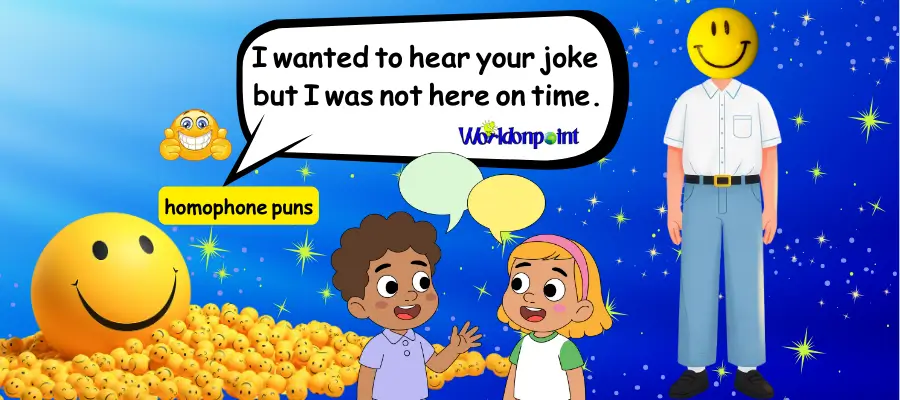
Homophone puns use words that sound the same. Their meanings are different but pronunciation matches. This contrast creates humor easily. Many beginners start with this style. It is simple and effective. When learning how to make pun this type builds confidence. Examples often involve common daily words. Sound based humor works quickly. Readers understand it fast.
Homonym puns
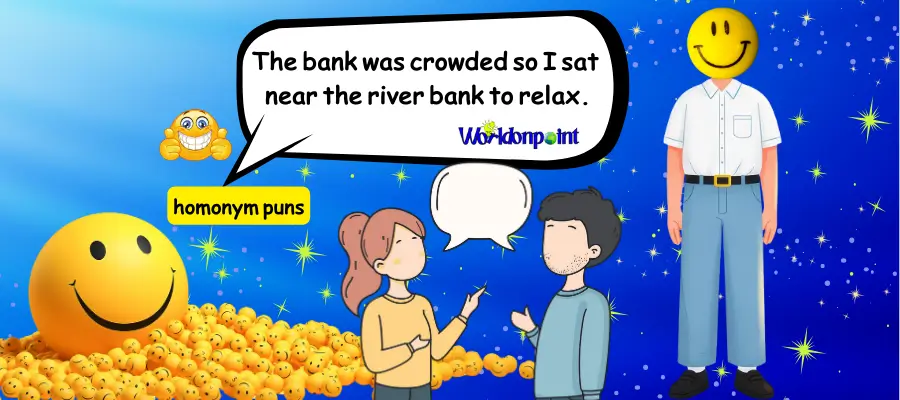
Homonym puns use words with same spelling but different meanings. Context changes the joke completely. This style works well in written content. It needs clear sentence structure. Learning how to make pun with homonyms improves clarity skills. The meaning shift creates surprise. These puns feel clever. They work well in blog headlines.
Visual puns
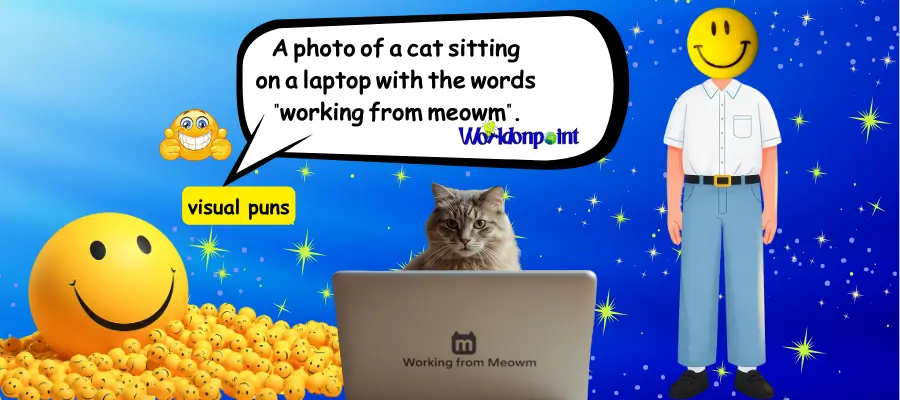
Visual puns combine images and words together. The humor comes from what people see. These are common in memes. Social platforms use them often. When learning how to make pun visually creativity increases. Images help explain the joke faster. They support quick understanding. Visual humor spreads easily online.
How to make pun step by step?
Learning how to make pun works best with steps. A clear process reduces confusion. Beginners need structure to grow confidence. Step learning improves consistency. Anyone can learn with practice. Creativity improves slowly over time. These steps support clean humor creation. Focus on clarity first. Humor grows naturally.
Easy examples of how to make pun
Examples help beginners understand quickly. They show real usage of wordplay. Learning how to make pun becomes easier with practice reading. Examples build confidence. They also inspire creativity. Simple examples work best first. Over time skills improve. Practice slowly and consistently.
Food pun examples
Food words offer strong pun options. Many foods have playful sounds. People relate easily to food humor. When learning how to make pun food themes work well. They feel light and friendly. Food jokes suit social captions. They increase engagement naturally. Simple food words perform best.
Animal pun examples
Animal words offer expressive meanings. Pets especially work well. Many animal names sound playful. Learning how to make pun with animals feels fun. Readers feel emotional connection. Animal humor works for all ages. It keeps tone warm. This style suits blogs well.
Common mistakes when learning how to make pun
Beginners often make small mistakes. These errors reduce joke impact. Learning how to make pun improves by avoiding them. Awareness helps growth. Mistakes are part of learning. Correction builds skill. Understanding problems improves clarity. Humor improves with guidance.
Using difficult words
Hard words confuse readers quickly. Complex vocabulary breaks humor flow. Simple words perform better. When learning how to make pun clarity beats cleverness. Easy language increases understanding. Readers should not stop to think. Humor must feel instant. Simplicity always wins.
Overthinking the joke
Overthinking blocks creativity. Humor becomes forced. Simple thoughts create better puns. Learning how to make pun requires relaxed thinking. Let ideas flow naturally. First ideas often work best. Editing later helps polish. Do not pressure creativity.
Tips to improve your pun making skills
Practice improves pun skills daily. Small habits bring progress. Learning how to make pun requires patience. Creativity grows slowly. These tips support steady improvement. Consistency matters more than talent. Simple effort builds strong results. Enjoy the process.
Read more wordplay content
Reading jokes improves understanding. You learn rhythm and structure. Exposure builds pattern recognition. Learning how to make pun becomes easier with reading. Observe how others write humor. Study sentence flow. Apply learning gently. Inspiration grows naturally.
Practice writing one pun daily
Daily practice builds confidence. One pun a day is enough. Learning how to make pun improves through repetition. Small effort prevents burnout. Over time creativity strengthens. Writing regularly improves speed. Confidence grows naturally. Progress becomes visible.
How to make pun for social media?
Social platforms love short humor. Puns work well in captions. Learning how to make pun helps content stand out. Humor increases sharing potential. Clear jokes perform best. Social readers scan quickly. Simple structure supports engagement. Timing matters online.
Pun ideas for instagram captions
Short puns fit captions perfectly. They grab attention fast. Learning how to make pun for captions improves reach. Visual context helps meaning. Emojis can support tone lightly. Keep wording simple. Avoid confusion. Fun works best here.
Pun ideas for memes
Memes mix images and text. Puns work strongly here. Learning how to make pun for memes increases creativity. Image meaning supports the joke. Keep text minimal. Let visuals guide humor. Memes spread quickly. Clarity increases shares.
How to teach kids how to make pun?
Kids enjoy playful language learning. Puns help develop thinking skills. Learning how to make pun becomes fun for children. It improves vocabulary naturally. Games make learning easy. Humor keeps attention. Teaching should stay light. Encourage creativity gently.
Simple word games
Word games help children understand sounds. They make learning joyful. Learning how to make pun through games works well. Kids explore meanings safely. Play builds confidence. Mistakes feel acceptable. Fun increases participation. Language grows naturally.
Using related searches to understand pun creativity
Many people search how to make a pun out of anything because they want ideas from daily life. You can learn how to make a pun in a sentence by watching how words change meaning. Some readers enjoy learning how to make a pun joke for fun chats. Others look for how to make a pun name for social profiles.
Writers also practice how to make a pun in a paragraph to keep humor flowing smoothly. Many beginners try how to make a pun with your name to add personal style. These searches show that pun making works best when it feels natural and personal.Online searches also include phrases like how to make a good pun or how to make a sans pun which reflect pop culture humor.
Some users even search learning terms such as how to make a punnett square or how to make a punnett square with 2 traits which are educational topics. Although these are different subjects they still show how people connect words mentally. Even unrelated searches like how to make pancake appear near pun queries. This behavior helps writers understand user intent patterns. Recognizing this helps content rank better.
Frequently Asked Questions
How to make a pun out of anything?
You can make a pun out of anything by looking at common words around you. Listen to how words sound when spoken. Many words sound similar but mean something different. Use those sounds to create humor. Focus on daily objects food names or activities. Keep the sentence clear and friendly. Practice helps your brain notice word patterns faster. Over time creativity becomes natural.
How to make a pun in a sentence?
To make a pun in a sentence choose one word with double meaning. Build the sentence around that word carefully. The meaning should change at the end. Keep the sentence smooth and simple. Avoid explaining the joke. Let the word do the work. Short humor works better. Reading it aloud helps improve clarity.
How to make a pun joke?
A pun joke works best when it feels natural. Start with a common topic. Find a word that can twist meaning slightly. Place the twist near the end of the joke. Do not add extra words. Clean structure makes the joke stronger. A good pun joke feels clever not confusing. Practice improves timing.
How to make a pun name?
A pun name combines humor with identity. Use your name or a keyword you like. Find similar sounding words. Replace one part carefully. Keep it easy to read. Pun names work well for usernames and pages. Avoid complex spelling. Simple changes create better impact. Funny names stay memorable.
How to make a pun in a paragraph?
To make a pun in a paragraph keep the flow natural. Do not force humor in every line. Build context first. Add the pun smoothly inside the sentence. The paragraph should still make sense. One or two puns are enough. Too many reduce clarity. Balance keeps readers engaged.
How to make a pun with your name?
You can make a pun with your name by listening to similar sounding words. Break your name into parts. Match those parts with common words. Keep pronunciation easy. The joke should feel friendly. Name puns work well in introductions. They also help people remember you better.
How to make a good pun?
A good pun uses simple words and clear meaning. It should not confuse the reader. Timing matters more than complexity. The best puns feel effortless. Always read your pun aloud. If it sounds smooth it usually works. Humor should feel natural. Practice builds confidence.
How long does it take to learn how to make pun?
Learning how to make pun does not take long. Basic puns can be learned in a few days. Strong skills take regular practice. Reading jokes helps speed learning. Writing one pun daily improves creativity. Progress happens naturally. Consistency matters most.
Can beginners learn how to make pun easily?
Yes beginners can learn how to make pun easily. You do not need special talent. You only need curiosity about words. Start with simple vocabulary. Avoid pressure. Enjoy learning. Humor grows naturally with practice.
Final thoughts
Learning how to make pun becomes easier when you practice daily and stay relaxed with words. Many readers search how to make a pun out of anything because creativity grows with observation. You can learn how to make a pun in a sentence by focusing on simple word meaning. Some people enjoy learning how to make a pun joke for fun conversations.
Others like exploring how to make a pun name for usernames or profiles. You can also practice how to make a pun in a paragraph by keeping flow natural. Many beginners try how to make a pun with your name for personal humor. When learning how to make a good pun always focus on clarity first.
Some people also search playful terms like how to make a sans pun which shows gaming humor interest. Educational topics like how to make a punnett square or how to make a punnett square with 2 traits are different but share the same word style. Many users also search unrelated terms like how to make pancake or how to make a punch drink which shows wide intent. Others look for how to make a punching bag or how to make a punching bag at home easy.
Some search how to make a punch board or how to make a punch bowl cake. There are also searches like how to make a punch alcohol which relate to drinks. These terms show how common the word pun and punch appear online. Understanding this helps writers create content that matches user intent. Keep practicing how to make pun and your confidence will grow naturally.