Riddles are fun puzzles that make people think deeply and use their brains. They are questions or statements that hide a clever answer inside. Many people enjoy solving riddles because they are challenging but also very exciting. Riddle meaning and examples can help children improve their vocabulary and thinking skills quickly.
Adults also enjoy riddles because they give mental exercise and make thinking fun. The study of riddles in literature shows that they have been a part of human culture for thousands of years. In this article we will explain the riddle meaning and examples in detail. You will learn different types of riddles and how to solve them easily. We will also share tips for making your own riddles and using them in daily life.
What is a riddle?
A riddle is a short question or statement with a hidden meaning that requires clever thinking. It often uses wordplay or double meanings to make solving it challenging. Many riddles are designed to test logic,creativity or imagination. Some riddles are simple and funny, while others are tricky and hard to guess.
Riddles help people develop problem-solving skills and improve memory. Children’s riddles are often used in schools to make learning more engaging. Adults enjoy riddles in games, books or social gatherings for entertainment. Understanding the riddle meaning and examples can make it easier to solve them quickly. Riddles also teach patience and observation because small details often hold the key to the answer.
Over time riddles became a form of storytelling and folk games in villages. Many ancient riddles are still used today because they are timeless and clever. Modern riddles in books and online are inspired by these historical examples. Studying the history of riddles helps people understand how language and creativity have evolved. This shows that riddles are more than just games they are part of culture and learning.
Why are riddles important?
Riddles are important because they help improve thinking and learning skills for both children and adults. They challenge the brain to think creatively and logically at the same time. Solving riddles can improve memory and critical thinking skills. Children who play with riddles often learn new words and improve reading skills.
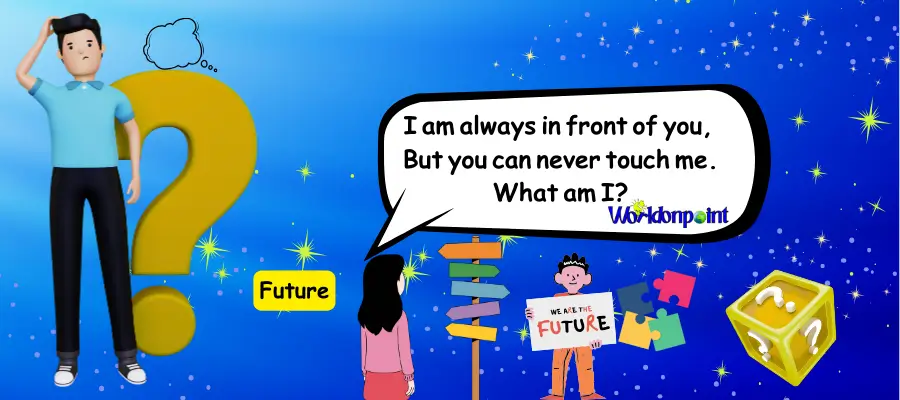
Adults also benefit from riddles because they provide mental exercise and reduce stress. Riddles can be used as fun activities in classrooms or family gatherings. They encourage observation patience and attention to detail. Understanding the riddle meaning and examples shows that riddles are not only entertaining but also educational. Regular practice with riddles makes solving them easier and more enjoyable.
Riddle examples for kids
Children enjoy simple riddles that are easy to understand and fun to solve. Examples like “What has keys but cannot open doors?” help children think creatively. Providing the answers after each riddle improves learning and keeps interest alive. Fun riddles improve vocabulary and cognitive skills while being entertaining.
Teachers often use riddles in classrooms to engage students actively. Parents can use riddles at home to strengthen family bonding and play together. Easy riddles help beginners build confidence before trying tricky or logic-based riddles. Understanding the riddle meaning and examples through simple riddles makes learning fun and interactive.
Riddle examples for adults
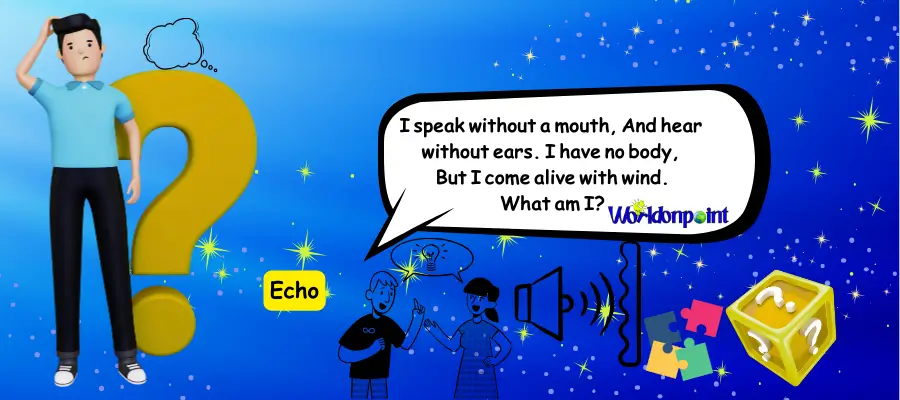
Adults enjoy riddles that are tricky logic-based or require careful observation. Examples like “I speak without a mouth and hear without ears what am I?” challenge thinking. Providing answers afterward helps learners improve reasoning and memory skills. Adults often solve riddles for fun mental exercise or brain games.
Riddles in social gatherings or team activities make problem-solving collaborative and entertaining. Solving riddles regularly improves analytical skills and concentration. Understanding the riddle meaning and examples allows adults to explain riddles easily to children. Practicing riddles helps adults develop sharper thinking and observation naturally.
Benefits of solving riddles
- Riddles help improve mental abilities like memory creativity and focus.
- They encourage children to think critically and use imagination in solving problems.
- Adults benefit because riddles provide mental exercise and reduce stress naturally.
- Solving riddles regularly improves problem-solving skills for school work and daily life.
- Riddles also teach patience, observation and logical reasoning effectively.
- Family or group riddles strengthen social skills and encourage teamwork.
- Fun riddles improve mood while keeping the mind active and alert.
- Understanding the riddle meaning and examples shows that riddles are both educational and enjoyable.
- Practicing riddles daily makes thinking sharper and faster over time.
Common mistakes while solving riddles
Many beginners make mistakes by reading riddles too quickly and missing key clues. Overthinking simple riddles can cause confusion and frustration. Ignoring wordplay or hidden meanings often leads to wrong answers. Some people do not practice riddles regularly which slows improvement.
Rushing through riddles without thinking slows mental growth and learning. Beginners sometimes try guessing without analyzing the riddle carefully. Understanding the riddle meaning and examples helps avoid these common errors. Learning from mistakes improves problem-solving skills and makes solving riddles more enjoyable. Patience practice and observation are essential to overcome these mistakes easily.
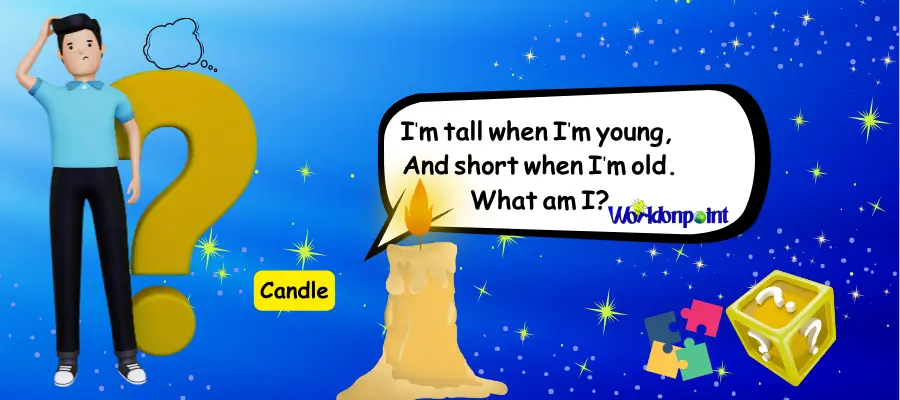
Tips for making your own riddles
- Start by thinking of a simple object idea or situation to describe cleverly.
- Use rhymes hidden clues or wordplay to make the riddle fun and engaging.
- Test your riddles on friends or family to see if they understand it easily.
- Improve riddles gradually by adding creativity and humor to make them more challenging.
- Use the riddle meaning and examples of famous riddles for inspiration.
- Make sure the riddle is solvable but still clever enough to require thinking.
- Practicing regularly will help develop better riddle-making skills naturally.
- Sharing riddles with others improves social interaction and makes learning enjoyable.
Riddles in daily life
Riddles appear in books, games and online platforms regularly. Teachers use riddles in classrooms to make learning more interactive and engaging. People use riddles in social media parties and team activities for fun. Playing riddles with friends strengthens relationships and improves communication skills.
Daily riddles improve observation thinking and problem-solving abilities naturally. Understanding the riddle meaning and examples makes it easier to explain riddles to children or beginners. Riddles are also used in puzzle books magazines and apps for entertainment. Practicing riddles daily improves mental flexibility and cognitive development over time.
Frequently Asked Questions
What is the simplest way to understand a riddle?
The simplest way is to read it carefully and think about hidden meanings or wordplay.
Can riddles improve thinking skills for adults too?
Yes, solving riddles improves problem-solving memory and critical thinking skills for adults.
Are riddles only for kids or also for adults?
Riddles are for both children and adults. They provide fun and mental exercise.
How can i create my own riddles at home?
Start with simple ideas use wordplay and test your riddle with family or friends.
Final Thoughts
Riddles are fun and educational tools for people of all ages. They improve thinking, observation and problem-solving naturally. Children learn new words and develop creativity while enjoying riddles. Adults benefit from mental exercise and stress relief when solving riddles. Understanding the riddle meaning and examples helps beginners solve riddles confidently.
Making your own riddles improves creativity and social interaction. Practicing riddles daily strengthens memory and cognitive abilities effectively. Riddles are simple, fun and powerful tools that make learning enjoyable and rewarding for everyone.