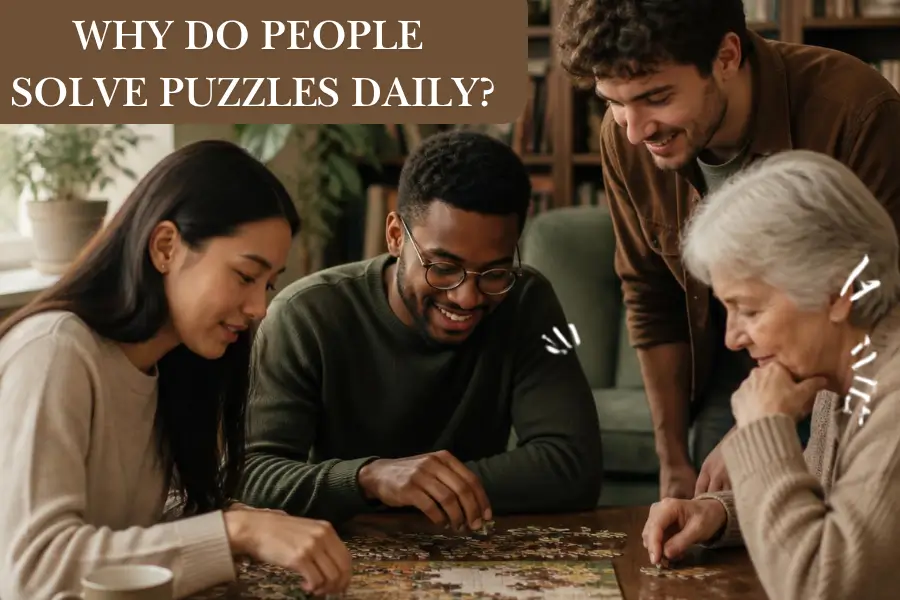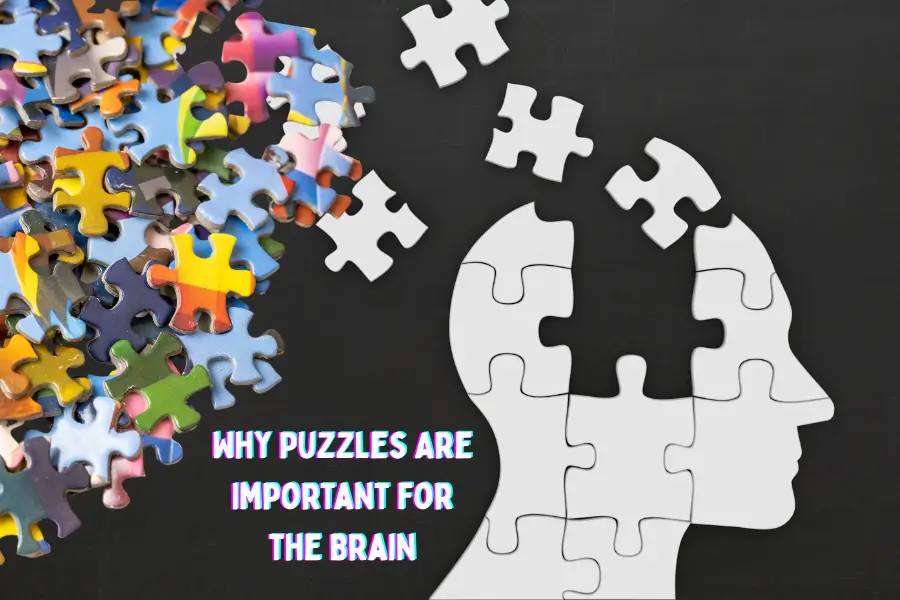
Why puzzles are important for the brain? One well-known neurologist put it simply: puzzling for an hour or two can genuinely help you concentrate, and it counts as real mental exercise, but don’t expect miracles from it. That’s probably the right way to think about this.
Puzzles work best alongside the stuff we already know matters for brain health: regular exercise, decent sleep, eating reasonably well, and staying socially connected. They’re a good addition, not a replacement for any of that.
If you enjoy puzzles anyway, the potential brain benefits are just a nice bonus. If you’re doing them specifically hoping to prevent memory problems down the line, it’s worth pairing them with those other habits rather than leaning on puzzles alone.
Puzzles at Different Ages

For kids
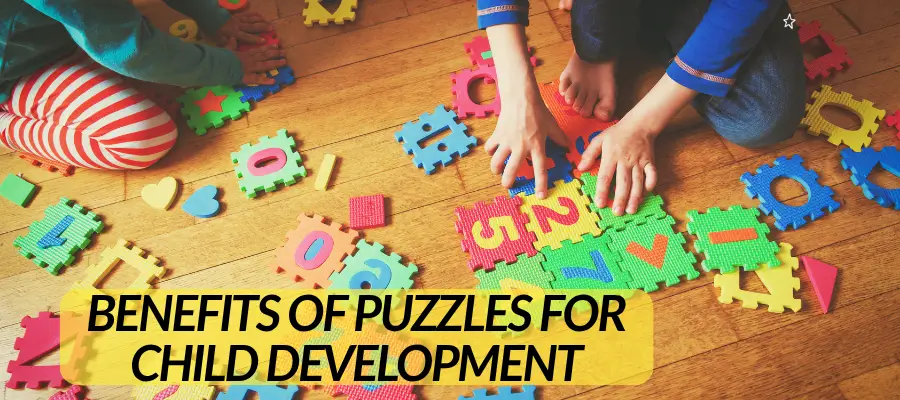
Puzzles are more about building the basics of shape recognition, spatial awareness, sequencing, and early problem-solving. Teachers sometimes use them for exactly this reason, since hands-on activities tend to stick better for young kids than abstract explanations. The critical thinking and creativity kids build through regular puzzling carry over into school and later, into work.
Must Read : Are Puzzles Good for Anxiety? Benefits, Tips & What to Know
For adults
Especially past middle age, the role shifts a bit; it’s less about building new skills and more about maintaining the ones you have. Staying mentally engaged in general (puzzles, reading, learning something new, socializing) is linked to healthier cognitive aging.
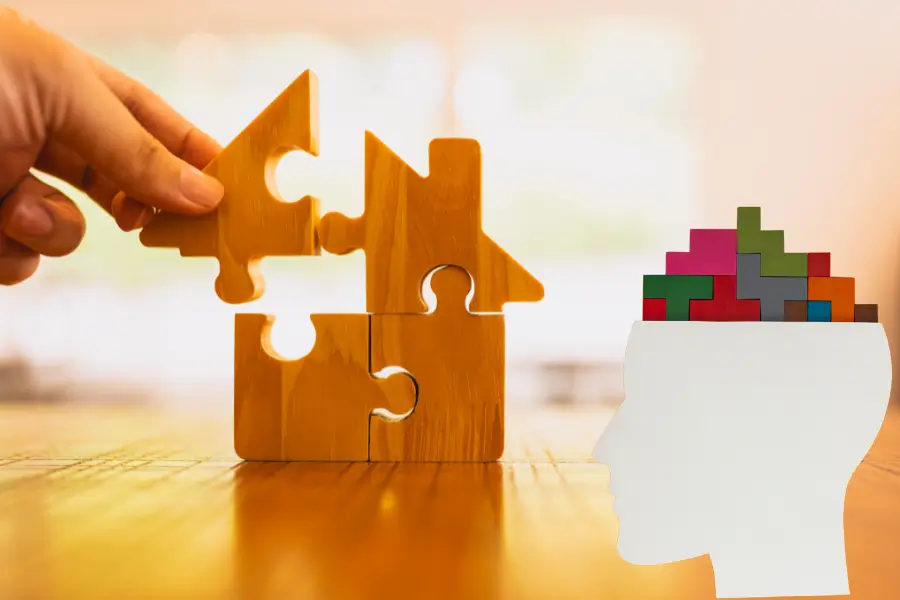
Why puzzels are important for the brain? For older adults specifically, puzzles are cheap, easy to start, and often sociala daily crossword with coffee, or a jigsaw puzzle spread out with the grandkids on a Sunday.
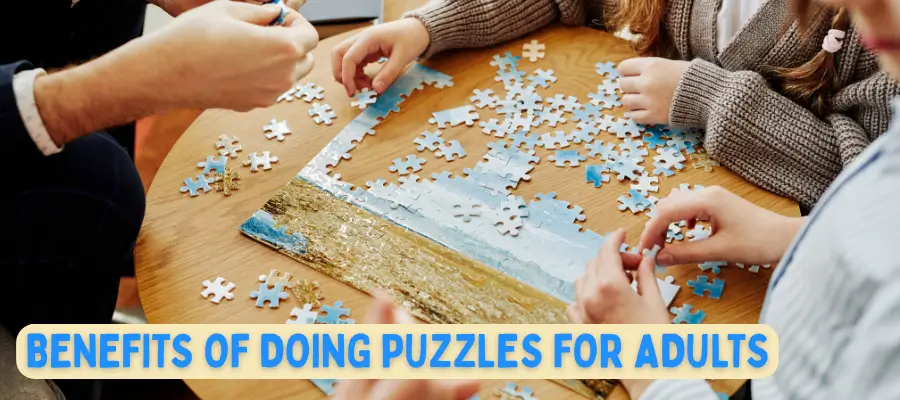
Also Read : 10 Benefits of Doing Puzzles for Adults
What Counts as a “Puzzle,” Anyway?
When people talk about “doing a puzzle,” they often picture a table covered in cardboard jigsaw pieces. But the puzzle family is much bigger than that. It includes:
- Jigsaw puzzles — assembling interlocking pieces into a complete image
- Crossword puzzles — filling in words based on clues, drawing on vocabulary and language recall
- Sudoku and number puzzles — logic-based grids that rely on deduction rather than language
- Word searches — visual scanning combined with pattern recognition
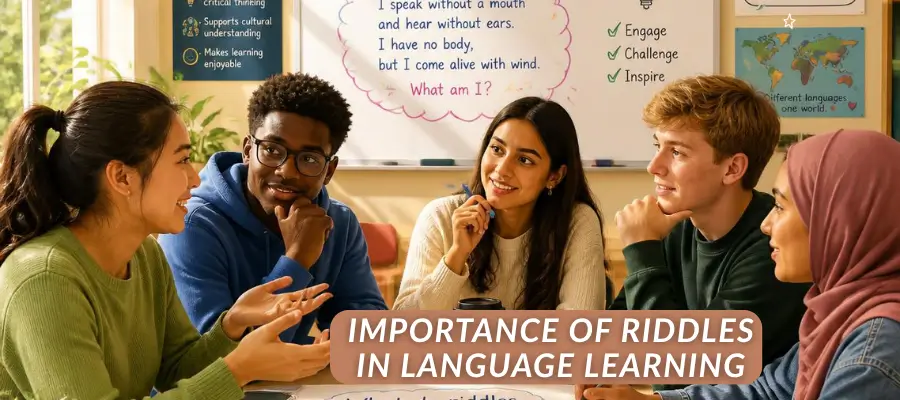
- Logic puzzles and riddles — open-ended problems that require lateral or sequential thinking
- Escape rooms — real-world, often collaborative puzzles that combine physical, verbal, and logical problem-solving under time pressure
Engaging Multiple Cognitive Skills at Once
What sets puzzles apart from more passive mental activities like reading a light novel or watching television is how many cognitive skills they call on simultaneously. Consider a jigsaw puzzle of a painting you’ve never seen the reference image for. To make progress, you need:
- Visualization — imagining how disconnected pieces might relate to a larger whole
- Visual memory retrieval — recalling where you last saw a similarly colored or shaped piece
- Working memory — holding multiple possibilities in mind while you test them
- Executive function — planning your approach, prioritizing sections, and adjusting strategy
- Visuospatial construction — mentally rotating and fitting shapes together in physical space
A Few Practical Tips
If you want to actually build a puzzle habit instead of just doing one occasionally, here’s what tends to help:
- Mix it up. Crosswords, jigsaws, Sudoku, and logic puzzles each work different mental muscles. Rotating between them probably beats sticking to just one.
- Make it a bedtime ritual instead of a screen. Even 15–20 minutes of puzzling instead of scrolling before bed can help you wind down and sleep a bit better.
- Do it with other people sometimes. A shared jigsaw, trivia night, or escape room adds a social piece on top of the mental one, and both matter for brain health.
- Increase the difficulty over time. Same idea as physical exercise if it stops feeling like any effort, bump up the piece count or try something harder.
- Don’t treat it as the whole plan. Puzzles work best next to exercise, sleep, good food, and real human connection, not instead of them.
Frequently Asked Questions
Do puzzles actually make you smarter?
Not exactly. Puzzles exercise specific skills like memory, focus, spatial thinking, and problem-solving, but there’s no solid evidence they raise your overall IQ. Think of it more like a workout for certain mental muscles, not a general intelligence upgrade.
Can puzzles prevent dementia or Alzheimer’s?
No, and be wary of anyone who says they can. The research only supports a more modest idea: staying mentally active, puzzles included, may be linked to delaying some symptoms. It’s not a prevention or a cure.
What’s the best type of puzzle for brain health?
There isn’t one “best” puzzle. Crosswords work your language and memory. Jigsaws lean on spatial thinking. Sudoku is pure logic. Since they each use different skills, mixing puzzle types probably beats sticking to just one.
How often should I do puzzles to see any benefit?
There’s no magic number, but consistency seems to matter more than intensity. A short daily habit — even 15–20 minutes — is likely more useful than one long session once a month.
Are digital puzzle apps as good as physical puzzles?
Pretty much, yes. They work a lot of the same mental skills. Some people feel physical puzzles add a bit extra from the hands-on, spatial part of handling real pieces, but neither format is clearly “better.” What matters more is doing it regularly and actually paying attention.
Do puzzles help with stress, or just distraction?
Both, really. Puzzles absorb your attention so there’s less room for stress to creep in, and some experts compare the calm, focused state you get into with puzzling to a light meditative state. Many people also use puzzles as a screen-free way to wind down before bed.
Are puzzles good for kids too, or just adults?
Definitely good for kids. For children, puzzles help build foundational skills like shape recognition, sequencing, and early problem-solving. For adults, the benefit shifts more toward maintaining those skills rather than building them from scratch.
Can puzzles replace things like exercise or sleep for brain health?
No, puzzles work best as an addition, not a replacement. Sleep, physical activity, a decent diet, and social connection are all still considered more foundational for brain health. Puzzles are a nice complement, not a substitute.
The Bottom Line
Puzzles aren’t magic. They won’t rewire your brain overnight, and they’re not a guaranteed shield against memory loss. Why puzzles are Important for the brain? But what the evidence and expert opinion do support is worth taking seriously: puzzles genuinely work your memory, focus, and problem-solving all at once, give you a real mood boost, and offer a rare, screen-free way to unwind that feels a lot like meditating.
For kids, they build early thinking skills. For adults, they’re an easy, low-risk way to keep your mind engaged. And for older adults, they might be one small piece of a bigger strategy for aging well.
So next time you’re choosing between the remote and that half-finished puzzle on the table, give the puzzle a shot. Your brain, and probably your evening too, will thank you.
Why Are Riddles Used to Test the Intelligence of a Child? Benefits, Skills & Facts